
Thrifting vs Vintage vs Consignment vs Antique vs Estate Sale
So of course we’ve all heard that shopping secondhand is great for the environment. And a lot of people make the claim that shopping secondhand is also less expensive than shopping retail. But is that always true?
If you’ve ever walked into a secondhand shop and had your eyes bug out of your head when you saw the first price tag, you know that’s not always true. And, likely, it was a vintage or antique shop. But are those the only options? Vintage, Antique, and Thrift? And what’s the difference, really?
Secondhand
Secondhand items appear in every category, but the most common secondhand stores include home decor and clothing. Some stores combine both, and some are strictly one or the other.
Secondhand items, obviously, were previously owned. But you as the purchaser aren’t necessarily the second owner. The same item may have been owned by many people, and as long as it’s remained in good condition, there’s no reason it can’t reappear and be sold again in stores. These secondhand items may also be called preowned or gently loved, but the term hand me down is generally reserved for items being directly handed down through family or friends.
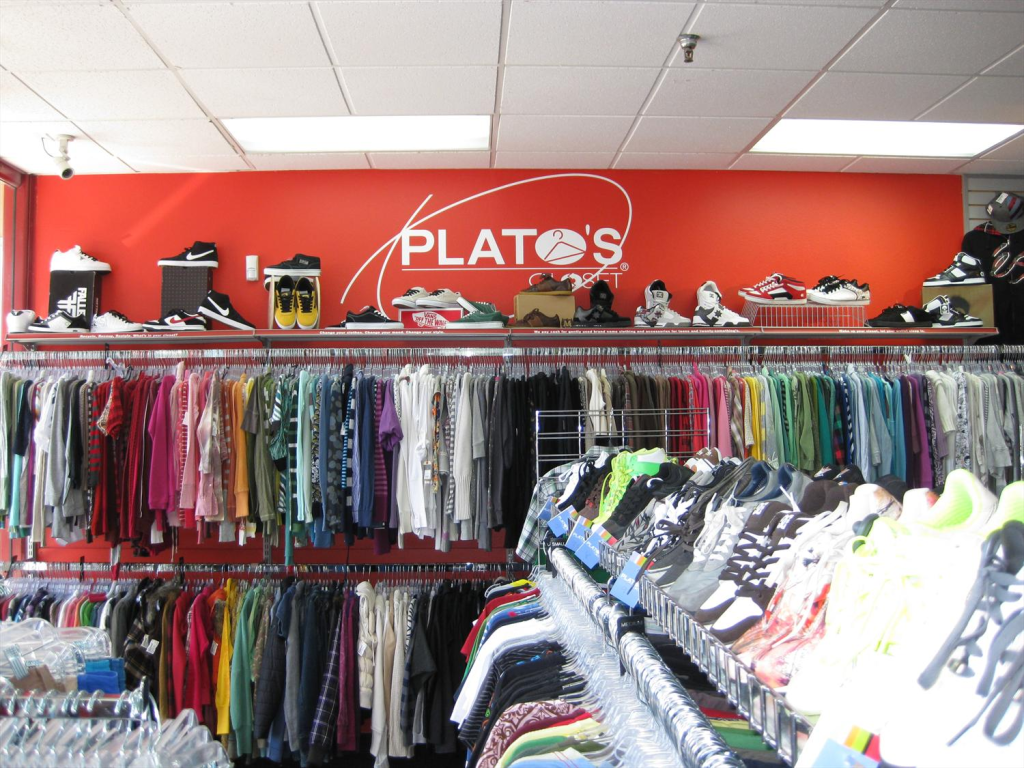
Stores that define themself as secondhand rather than thrifting generally do so because they want to place themself at a slightly higher price point than thrifting, and often have a certain style that they curate. For example, Plato’s Closet restricts themself to “trendy” items, generally accepting items that are currently in style so that they can place themselves inside malls and compete there.

Secondhand items can also come from resellers. While most secondhand clothing could be counted as “resale”, it’s generally accepted that resellers are individual people who offer their items, generally on large platforms where many other resellers are doing the same thing. Some platforms have authentication measures, and others do not, so it’s important to check which the site is before buying high value items. Resell items may have belonged to another person, and therefore are secondhand, and they may have even been bought from a thrift, vintage, or antique store. But they can also be items that have never been worn, even though they’re being resold.
Thrifting
As Macklemore said in his song Thrift Shop, “I’m gonna pop some tags only got $20 in my pocket”. Yes, it’s a meme, but the principle stands. You can get more than one item for $20 at a thrift shop, they’re the cheapest kind of secondhand item.
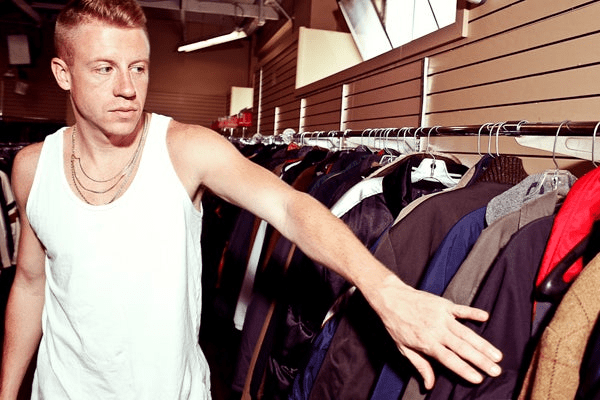
Generally a thrift shop’s items are donated or purchased for a low price in bulk. These items can be from any time, of any quality (they’re the most likely to have rips, holes, stains, or other defects) and that’s part of the reason why they are the cheapest option. Of course, they may have pristine items from any time period, if they’ve been donated, and that’s part of the fun of going to them. You never know what you’ll find, and the thrill of the hunt is part of the experience.
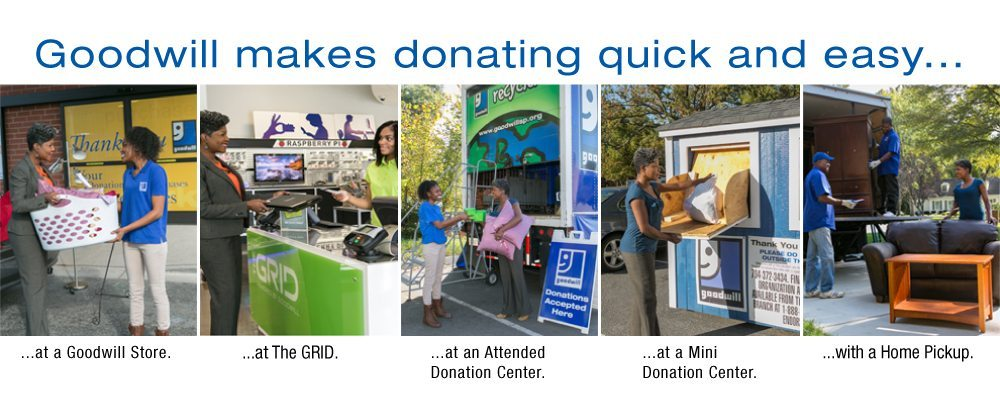
Thrift stores include Goodwill, Savers, and of course local chains and individual locations. The majority of thrift stores cater to adults, but some have kids sections, and some are kid-specific. As a child in Utah there was a kid-specific thrift store that I went to every time I changed sizes, and I’d donate all my old clothes for store credit, and pick out new clothes in the next size up. This system allowed clothes to circulate until they were no longer wearable, and massively reduced costs for families.

Thrifting has a larger religious ownership than any other segment of secondhand clothes, the most commonly known being the Salvation Army. But depending on location, there may be multiple small religious thrift shops as well, generally with explicitly religious names- Our Holy Redeemer Thrift, Society of Vincent St Paul, Community Presbyterian Thrift, and Plainview Reformed Church Thrift Shop are all in Long Island. These organizations generally have a charity they support, but details on how they support this charity vary. I personally recommend looking into the exact details before supporting.
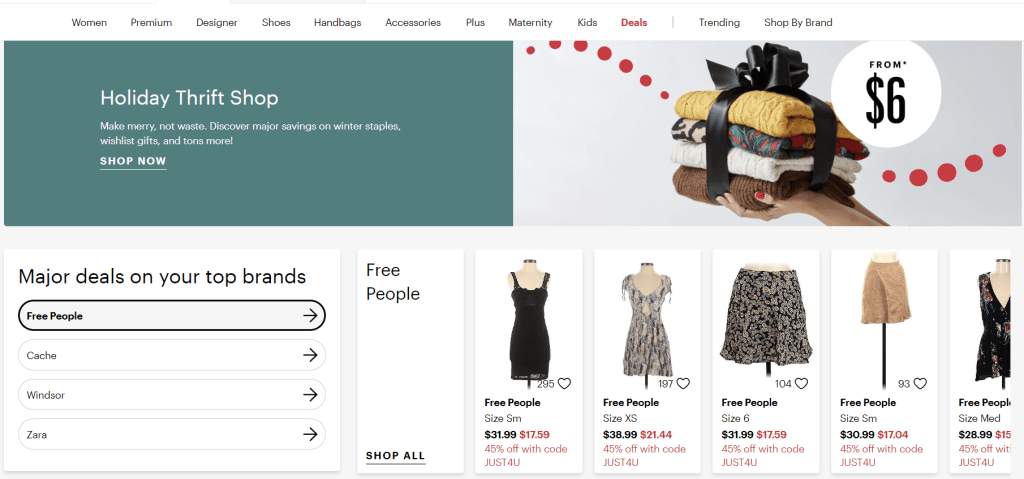
Thredup positions themself as an online thrift store, but they have separate sections for designer labels and premium brands. They may be considered more of a secondhand online store than a thrift one, strictly because of their brand content and price point. Yes, they have items below $20, but they also have items above $14,000. Even a thrift store with a dedicated valuables section is unlikely to have items of that value. Similarly, Witch Bitch Thrift has a curated collection of items that fit a specific aesthetic, which I don’t often see in thrift stores specifically. I believe both of these businesses are capitalizing off of “thrift” being a popular term at the moment, and is becoming a catch-all the way that secondhand is.
Vintage
Vintage shops imply a certain age of item. These items range between 100 to 20 years old. Some people insist that it’s between 100 and 40 years old, but I’ll be honest, most of those people cannot accept the passage of time and it makes them feel bad that their childhood items are now considered vintage.
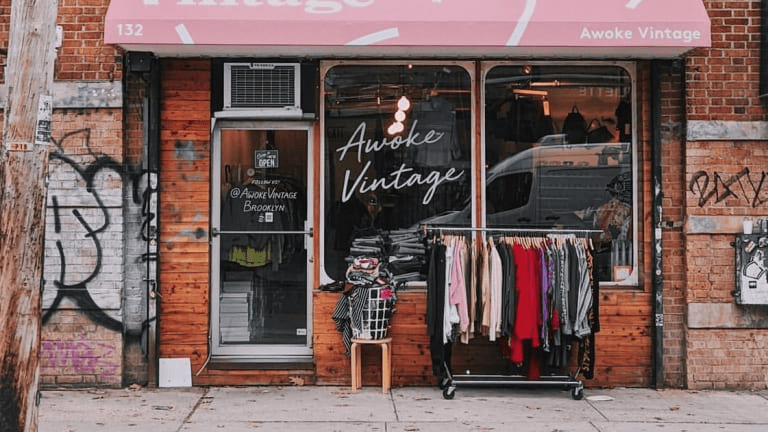
Vintage shops may have curated collections in a specific style, or focus on a specific era, or even concentrate on specific brands. Vintage shops often carry designer brands, even without that being their focus. They generally have higher quality items, with no rips, tears, or stains. Because of this, they have a higher price point than thrift stores or secondhand shops.
Consignment
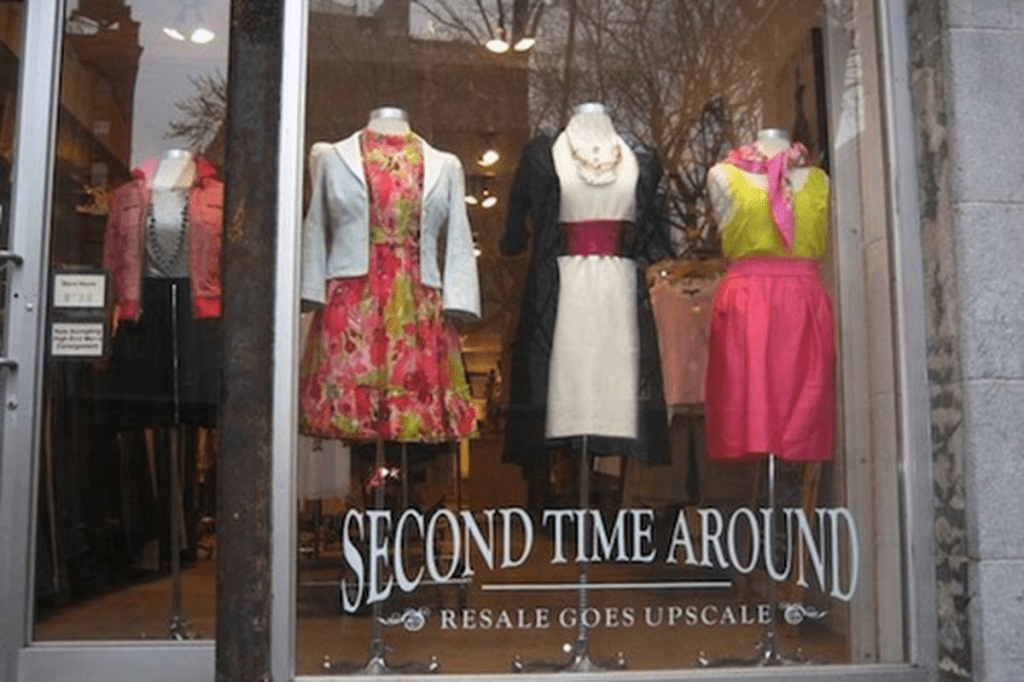
A consignment shop sells items for specific people. The person in question and the shop both get a cut of the profits. A consignment shop may also be a vintage or antique shop, but is not usually defined as thrift, as the goal is to make a profit. The owner of the shop is free to decide what items they want to take on, as they only make money if the item gets sold, and they generally know what items will be bought at their location.
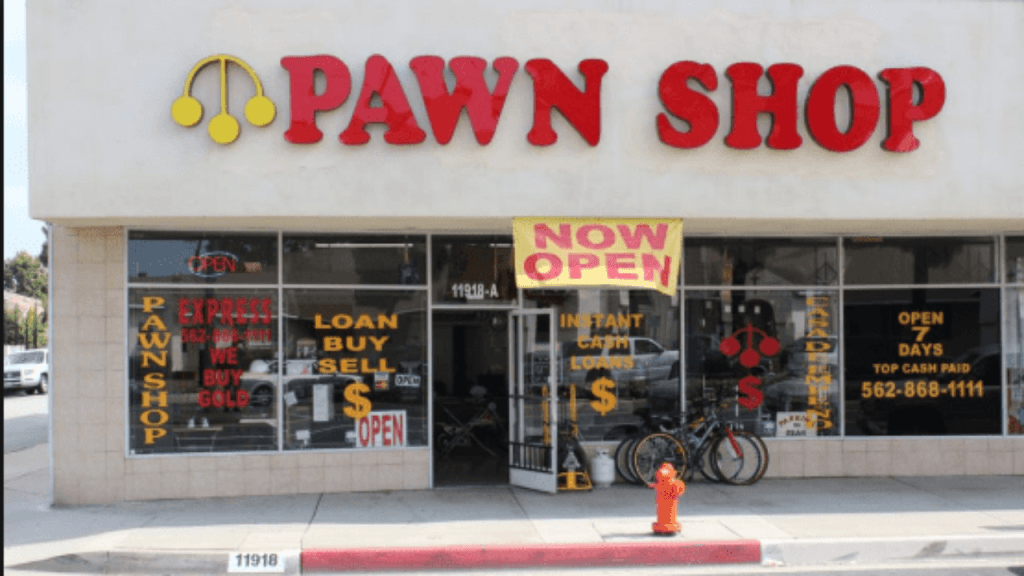
A consignment shop is notably Not a pawn shop. A pawn shop takes a sellable item as collateral for a loan, with the intention that the person taking out the loan pays it back and regains their item. The item must still be sellable in the case that the person does not pay back the loan, and the shop must sell the item to gain back the money they’ve given out. A consignment shop’s whole goal is to sell the item, whereas a pawn shop only sells as a last resort.
Antiquing
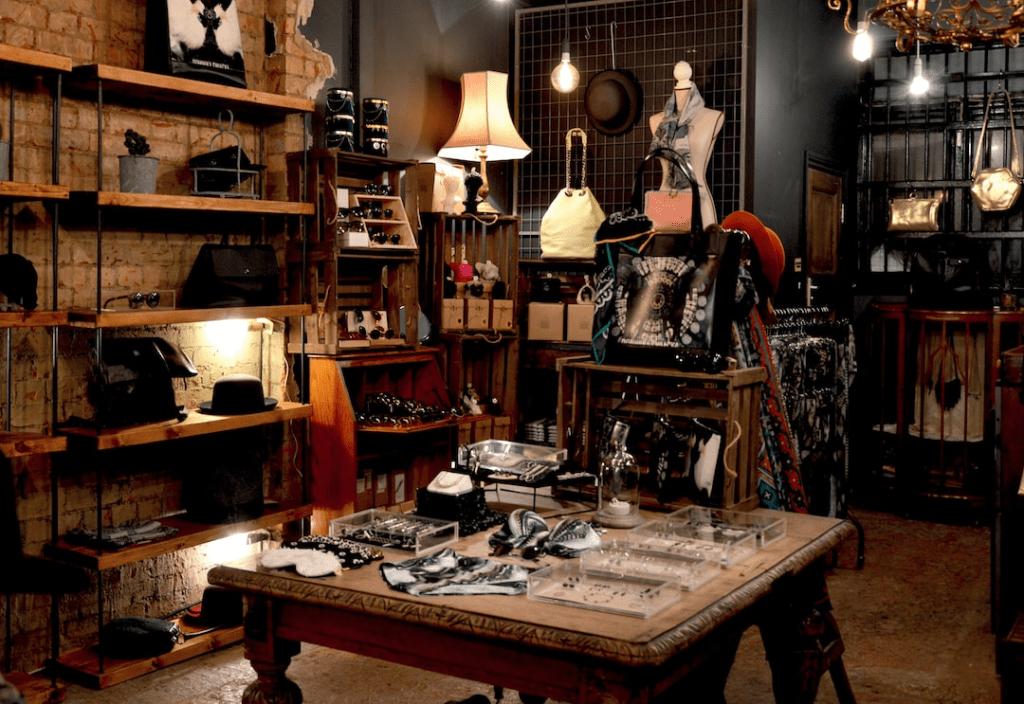
Antique pieces are generally older than 100 years, taking the spot just older than vintage. At this point, anything from the 1920’s and older is antique. Some antique shops focus on a specific time period, as the styles from the 1920s are very different than the styles from the 1840s. There is slightly less focus on specific brands, as it’s more about craftsmanship and style, and what has survived up until now. These items are generally fairly expensive, as they are pieces of history, and they are made to last.
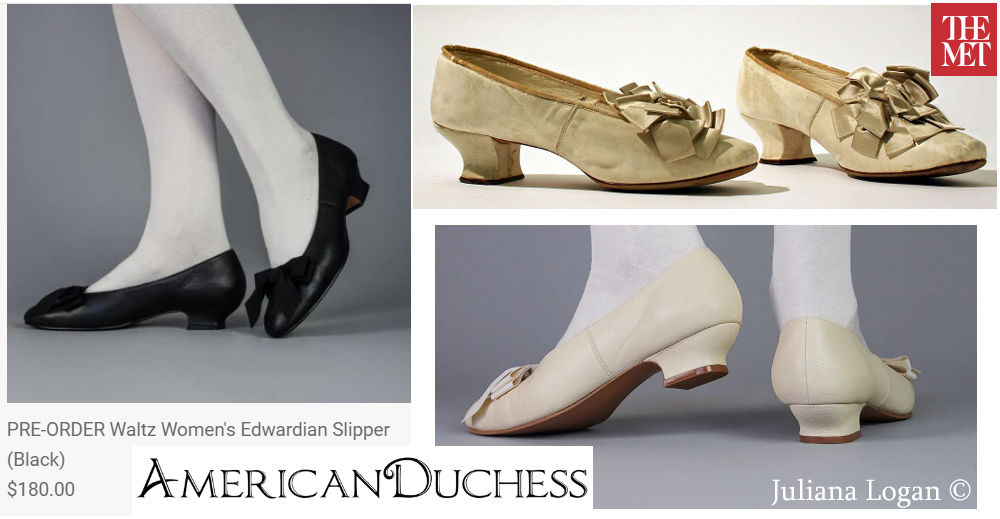
It’s important to note that antique items must be actually 100 years or older, while retro items can be much more modern, as long as they are made to look like items from an older time. For example, existing shoes from the 1800’s would be Antiques, but the reproduction shoes from American Duchess would be considered retro. Retro reproductions of antique or even vintage items can be just as expensive as the real thing, depending on the popularity of the item and the difficulty to reproduce.
Estate Sales
One of the least predictable ways to get secondhand items is through estate sales. An estate sale happens when someone has died and their estate is being sold. Depending on the person and what their family chose to keep, you could be looking through anything. If the person, for example, sewed quilts, but none of their family did, you might have access to a lifetime’s worth of quilting supplies.
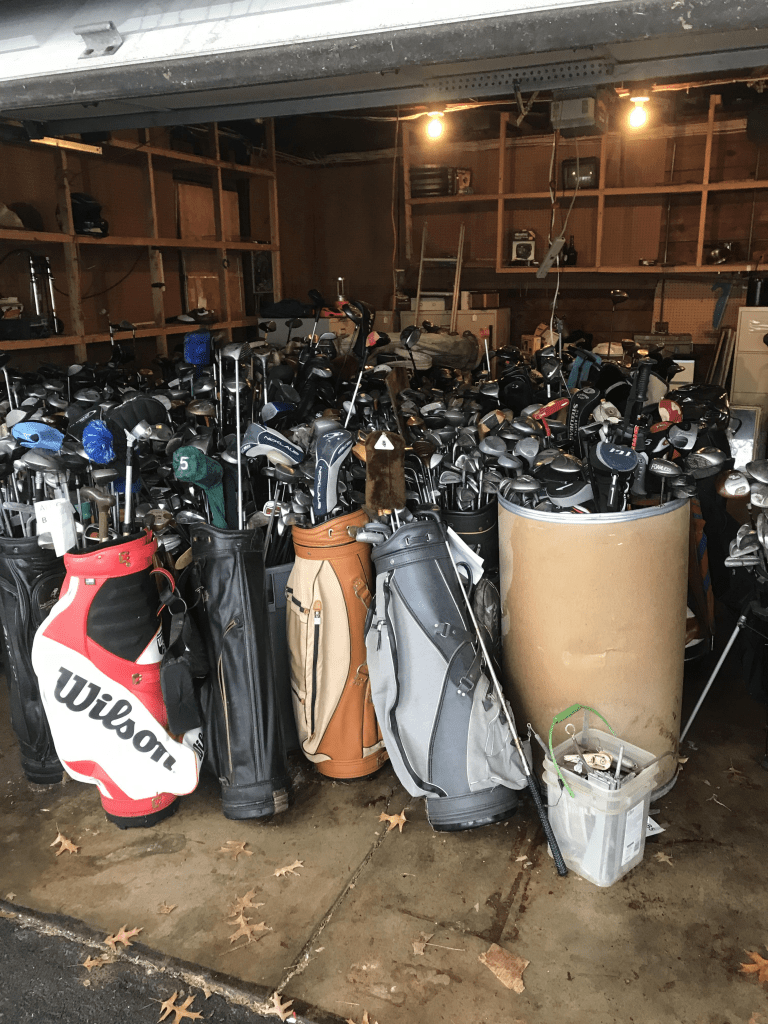
If they had an odd collection such as clocks or garden gnomes, the estate sale might be primarily composed of that. This example is of golf clubs, which were not separated by price at all, they were all $2 each. The person left in charge of all of them obviously didn’t have the time or inclination to research all the clubs individually, so a person interested in clubs would be able to pick out the high value ones for themself.
You never know what a person will have available, and attending would mean looking through one person’s collection or several people’s compiled collections. Often items are undervalued due to the sheer volume of them. Estate sales sometimes have signups and waitlists in order to attend, so they are the least predictable in terms of content and availability.
Conclusion
If you’re looking for a cheaper way to get new and in style items, discount stores- like TJ Maxx, Marshalls, Ross, and Kohls– sell extra stock from other retailers, if a consumer is squeamish about wearing secondhand items. If secondhand and cheap is the name of the game, then thrifting is the right choice. If the goal is to get clothing of a specific era, then vintage, antique, or retro might be more suited than thrifting.
Secondhand clothing, while theoretically better for the environment than purchasing new, might still have a similar level of transportation pollution behind them due to sourcing specific items for specific curated collections. Keeping items out of the landfill is always good, but items generally only end up there if they haven’t been sold from large chain thrift shops. Purchasing vintage, antique, consignment, or estate items is more about purchasing exactly what the consumer wants- and the thrill of the find- than saving money.
Sources
Bajović, J. R. (2022, June 29). What is a pawn shop: The beginner’s guide to pawning: WBL. Writer’s Block Live. https://writersblocklive.com/blog/what-is-a-pawn-shop/
Bien, H. (2023, September 21). What’s the difference between thrifting, antiquing, and vintage shopping? Apartment Therapy. https://www.apartmenttherapy.com/thrifting-antiquing-vintage-shopping-37044031
Mortensen, A. (2023, July 13). Vintage vs. thrift: Understanding the difference in shopping secondhand. Vintage Virtue. https://vintagevirtue.net/blog/vintage-vs-thrift-understanding-the-difference-in-shopping-secondhand
Puisis, E. (2022, December 22). Vintage vs. Antique vs. retro: What’s the difference? The Spruce. https://www.thespruce.com/vintage-vs-antique-vs-retro-6541571
Smythe, C. (2021, November 22). Everything you need to know about clothing resale, the fastest-growing category in fashion. The Business of Business. https://www.businessofbusiness.com/articles/everything-you-need-to-know-about-clothing-resale-the-fastest-growing-category-in-fashion/


Leave a comment